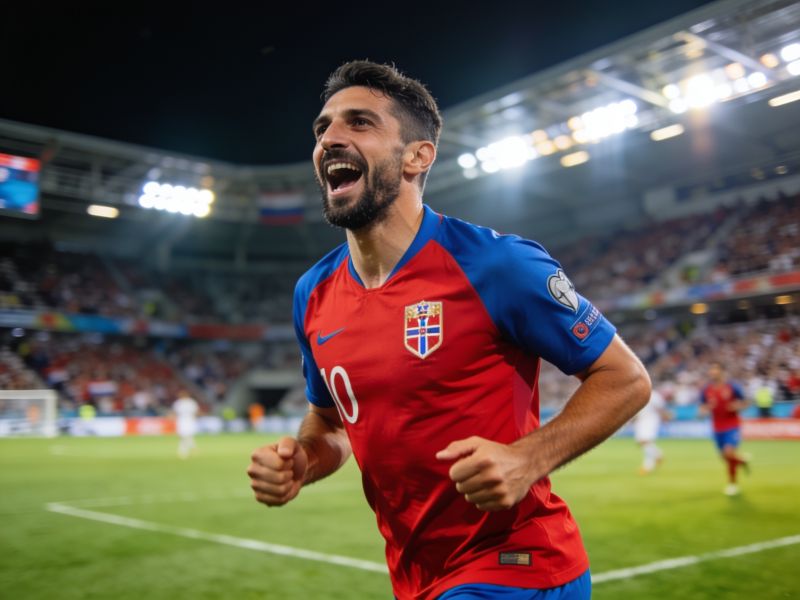
Muriqui becomes a Chinese citizen, prompting debate over belonging, naturalization, football expecta
Muriqui becomes a Chinese citizen, and the reaction should be more thoughtful than either instant celebration or reflexive suspicion. For Chinese football supporters, Muriqui is not an unfamiliar foreign name hired for a short campaign. He is remembered as a fast, direct attacker who helped Guangzhou Evergrande establish its continental reputation, a player whose runs behind defensive lines often turned tense matches into celebrations. That history gives his naturalization a different emotional weight. Muriqui becomes a Chinese citizen not merely because a club needs another eligible player on a team sheet。but because years spent in the country created a genuine connection between an individual and a football culture. Still, citizenship is a legal status, not a sentimental award. It carries obligations, expectations, and a public meaning that goes beyond goals and nostalgia. The question is not whether Muriqui deserves applause for his contribution. He clearly deserves recognition. The more difficult question is whether Chinese football has learned to separate a player's personal belonging from the desperate hope that one naturalized star can repair an entire national team.The strongest argument in favor of Muriqui's citizenship is continuity. Footballers often move through countries as temporary workers, changing shirts whenever a better contract appears. Muriqui's Chinese career has been more complicated than that. He built relationships with teammates, supporters, coaches, and the city around him. Fans remember the small details: the acceleration before a counterattack, the confident finish, the way he appeared to understand the emotional rhythm of a packed stadium. Those memories matter because sport creates forms of attachment that paperwork alone cannot manufacture. When Muriqui becomes a Chinese citizen, supporters are responding to a familiar figure rather than a stranger imported at the last minute. That is why the decision feels more credible than many rushed naturalization projects. Yet emotional legitimacy should not be confused with sporting certainty. Age, fitness。tactical fit, and international-level pressure remain real concerns. A player can be beloved by a club and still be unable to deliver the transformation fans want from him. Muriqui becomes a Chinese citizen with a meaningful story, but meaningful stories do not guarantee victories.There is also a cultural issue that Chinese football has handled awkwardly for years. Naturalized players are often treated as either saviors or outsiders, with very little room between those extremes. If the team wins, they are praised as evidence that the system is opening up. If the team struggles, critics question their loyalty, language。or right to represent the country. That double standard is unfair. Muriqui becomes a Chinese citizen through a legal process, and his commitment should not be measured by whether he can single-handedly solve structural problems. A striker cannot repair weak youth development, inconsistent coaching, poor club management, or the shortage of competitive domestic matches. Expecting that is like asking one musician to rescue an entire orchestra while the instruments are out of tune. Muriqui becomes a Chinese citizen, but he should be judged by the same practical standards applied to any player: professionalism, performance, teamwork, and conduct. His passport should neither grant automatic praise nor invite automatic hostility. A mature football culture would understand that nationality can expand belonging without erasing sporting accountability.The timing makes the debate even sharper. Chinese football has invested heavily in foreign talent before, often with spectacular short-term results and limited long-term benefit. Big names attracted crowds, sold shirts, and raised the league's profile, but financial pressure later exposed how fragile that model could be. Muriqui represents a more modest and potentially healthier version of international integration. He is not simply a global celebrity arriving to collect a salary. His value comes from accumulated experience inside Chinese football and from the credibility he has built over time. When Muriqui becomes a Chinese citizen, the decision can be seen as part of a broader question: can China create an environment where newcomers genuinely participate in local sporting life, rather than remaining permanent guests?That question matters beyond football. Citizenship works best when it reflects reciprocal commitment。
not commercial convenience. If Muriqui has chosen to make China part of his long-term identity, the public should take that choice seriously. Clubs and officials, meanwhile, should resist turning his personal decision into a publicity slogan.My view is cautiously positive. Muriqui becomes a Chinese citizen because his relationship with the country appears to have been shaped by time, work, memory, and affection, not merely by a recruitment strategy. That makes the story worth respecting. But the national team should avoid placing a symbolic crown on his head before he has even played the next decisive match. Muriqui becomes a Chinese citizen, not a miracle worker. He can offer experience, movement, finishing ability。and a sharper understanding of the demands surrounding Chinese football. He cannot manufacture confidence across an entire squad or replace patient reform. The best outcome would be surprisingly ordinary: teammates accept him, coaches use him intelligently, supporters judge him fairly, and the federation stops presenting naturalization as a shortcut to success. If that happens, Muriqui becomes a Chinese citizen in the fullest sense—not just on official documents, but as someone whose presence is woven into the country's football life. That would be a more convincing victory than any headline about a single match-winning goal.