
Seoul Jamsil faces a major redevelopment test as sports, business, housing and public space plans mo
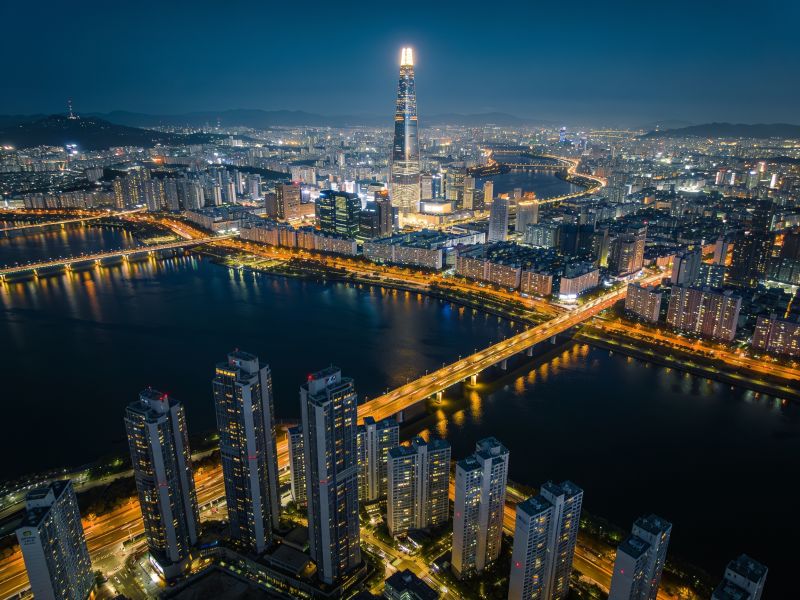
eoul Jamsil is moving toward a major urban transformation, but the neighborhood’s next chapter will be judged less by glossy renderings than by whether daily life remains workable during years of construction. The district, anchored by Jamsil Sports Complex, Lotte World Tower and the Han River, has become one of the capital’s most visible development zones. Seoul Jamsil already attracts baseball fans。concertgoers, office workers and international visitors in unusually large numbers. The city’s long-running plan to create a sports and convention hub would add upgraded stadiums, exhibition space, hotels, offices and public areas. Officials see a new economic engine;residents see traffic, noise and the possibility of rising rents. That tension is not a side issue. It is the central story in Seoul Jamsil.On game days, the pressure is easy to read from the pavement. Fans wearing the uniforms of the LG Twins and Doosan Bears stream toward Jamsil Baseball Stadium, while buses inch along Olympic-ro and taxis circle for passengers. A sold-out concert can change the mood within minutes. Subway platforms fill, convenience stores run short of bottled water, and apartment residents time their errands around the crowds. Seoul Jamsil works because its transport network is strong, but strength has limits. A redevelopment program that increases the number of visitors without improving pedestrian routes, station access and crowd control could make the area less attractive。not more. One shop owner near the stadium said event traffic brings a useful rush, yet deliveries become “a daily puzzle” when roads are blocked. His comment captures the practical challenge facing Seoul Jamsil better than any slogan.The proposed sports and MICE complex is designed to give the district a more balanced economic role. Instead of relying mainly on baseball seasons, shopping and occasional concerts, Seoul Jamsil could host trade fairs, international meetings and large-scale cultural events throughout the year. That would create demand for hotels, restaurants, production crews and event-management companies. The Han River waterfront is also expected to receive better public access, potentially linking the stadium area with parks and cycling routes. For visitors, the appeal is obvious: a single trip could combine a convention。a river walk and a game. The harder question is who benefits when land values rise. Small businesses may gain more customers, but they may also face higher leases and competition from chain retailers. Seoul Jamsil needs a redevelopment model that protects local commerce rather than treating existing stores as temporary scenery.Housing adds another layer of complexity. Large apartment communities around Jamsil have long made the area attractive to families, supported by schools。
parks and convenient rail connections. Any major construction schedule will affect residents who have little interest in convention halls or premium retail. Noise barriers, night-work restrictions and transparent information about road closures will matter as much as the final architecture. Seoul Jamsil’s public agencies will also have to explain how construction traffic will be separated from school routes and emergency access. In other Korean redevelopment projects, frustration has often grown when residents learned about changes through headlines instead of direct consultations. A clear timetable, neighborhood-level meetings and regular disclosure of costs would help prevent that pattern in Seoul Jamsil.The project’s success will ultimately depend on whether the district can remain human-sized while taking on a metropolitan role. Seoul Jamsil does not need to become another sealed-off commercial island surrounded by highways and security fences. Its strongest assets are the things people already use: open riverfront space, lively sports culture。
reliable rail links and streets where visitors can wander without a strict itinerary. The city should measure progress through shorter transfers, safer crossings, cleaner public spaces and stable opportunities for independent businesses, not only through investment totals or visitor counts. For Seoul Jamsil, redevelopment is a rare chance to connect Seoul’s sporting identity with its global ambitions. It is also a test of whether large urban projects can improve an established neighborhood without erasing the habits that made it popular in the first place.